Date Published: 18/08/2026
How a nursing home in Murcia helped British resident Barry walk again
Barry regained his mobility and independence with the help of the International Unit at Caser Residencial Santo Ángel in Murcia
For anyone who's ever worried about what would happen if they needed specialist care while living abroad, Barry's story offers real reassurance that the right support is out there, even for those who don't speak Spanish.
The British pensioner recently shared his experience at Caser Residencial Santo Ángel in central Murcia and it's the kind of testimonial that shows exactly why
the centre's International Unit has become such an important resource for foreign residents in the region.
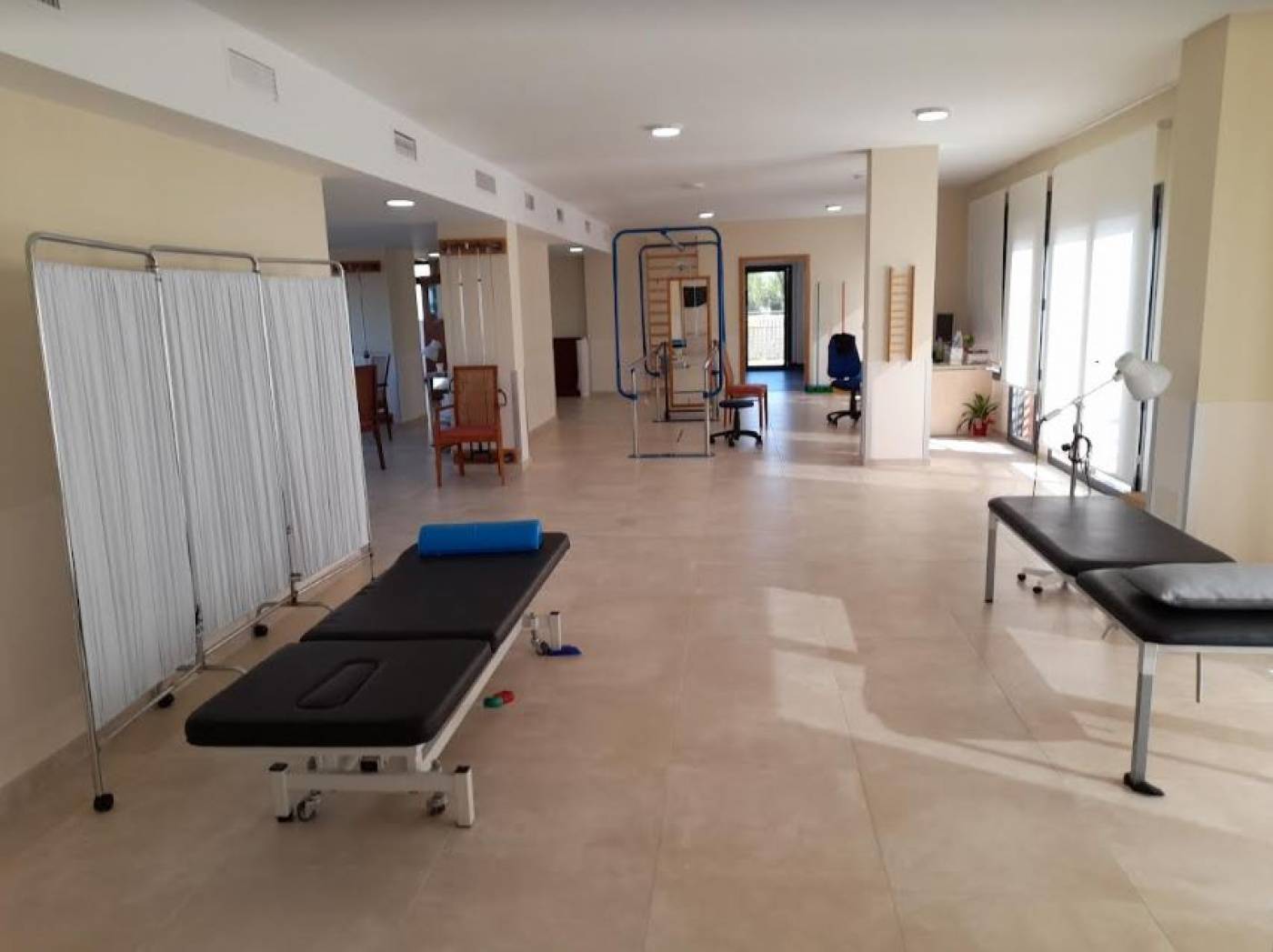
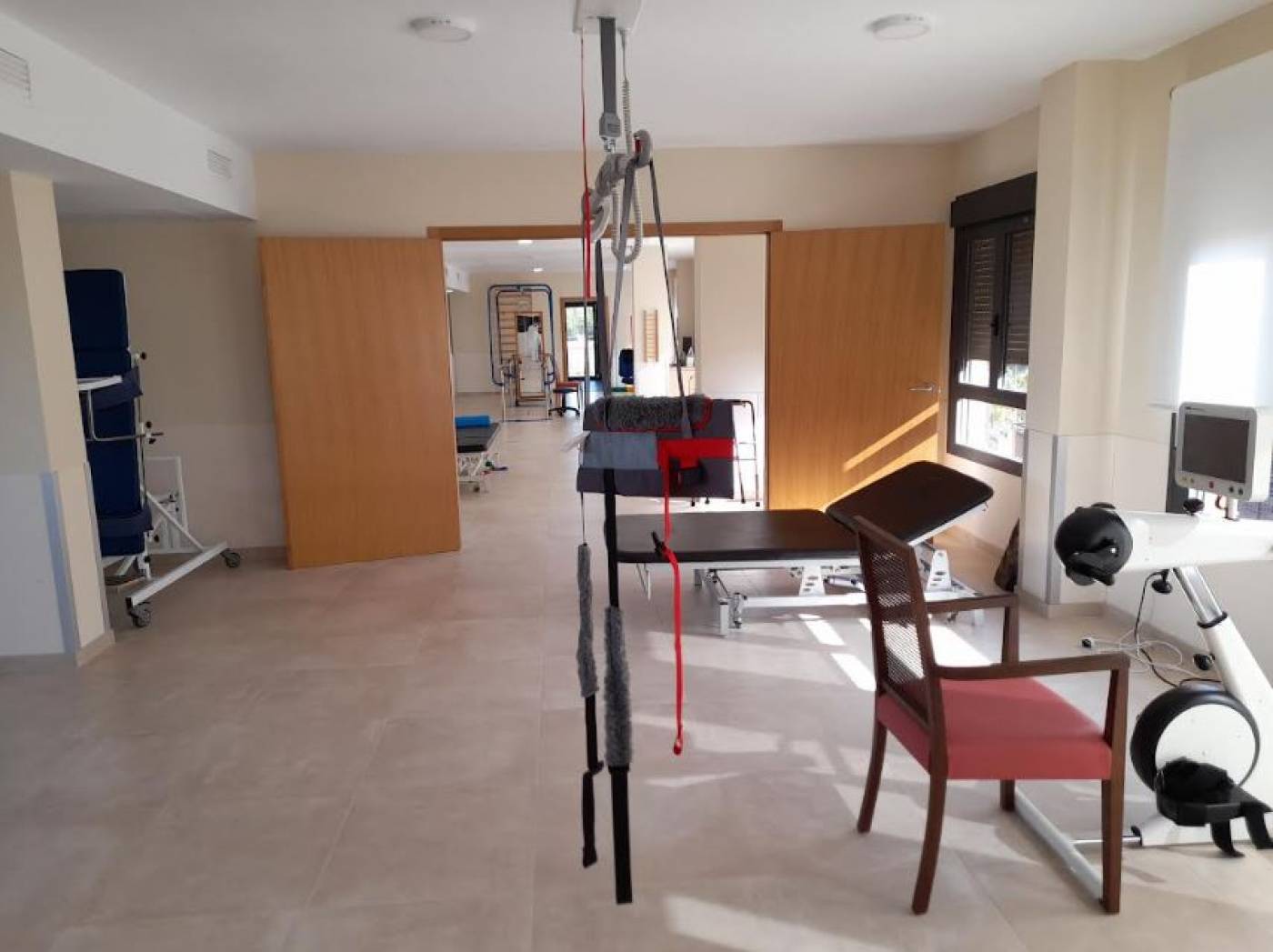
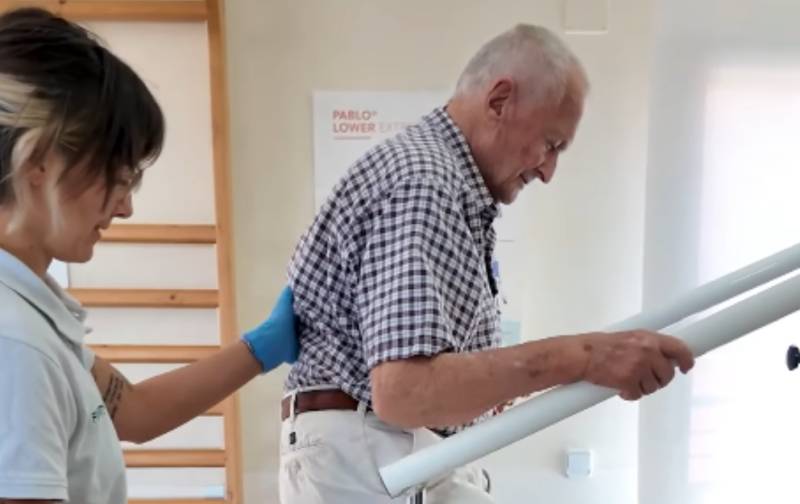
Barry arrived at the nursing home coming out of what he describes as a genuinely difficult period. After being bedridden for two and a half months, he was unable to walk or care for himself, a situation that would leave most people feeling pretty low. Thanks to the dedication of the physiotherapy team, along with the use of innovative tools like virtual reality and the support of the International Unit's professionals, Barry has since regained his mobility, his independence and, by his own account, his quality of life. As he put it himself, his family couldn't have chosen a better place for him.
Stories like Barry's are exactly why Caser Residencial Santo Ángel set up its International Unit in the first place. The Region of Murcia has one of the largest foreign populations of any autonomous community in Spain, and along with the neighbouring province of
Alicante, it's long been a popular choice for British, German, French and other nationalities looking for a calm and pleasant place to spend their retirement years.
A comfortable retirement is one of the great rewards of getting older, but it can bring its own challenges too, and knowing where to turn for specialist elderly care in your own language isn't always straightforward.
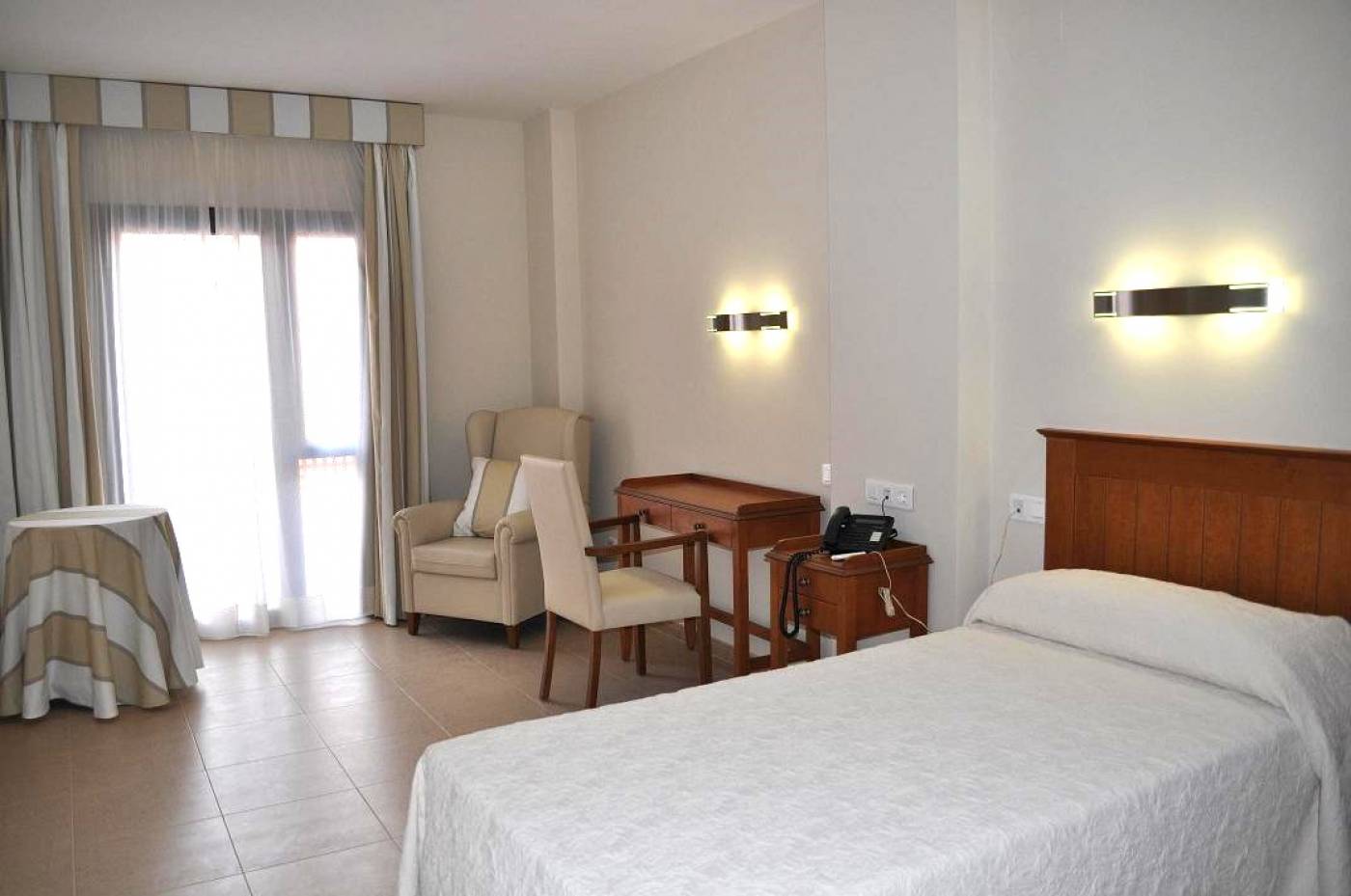
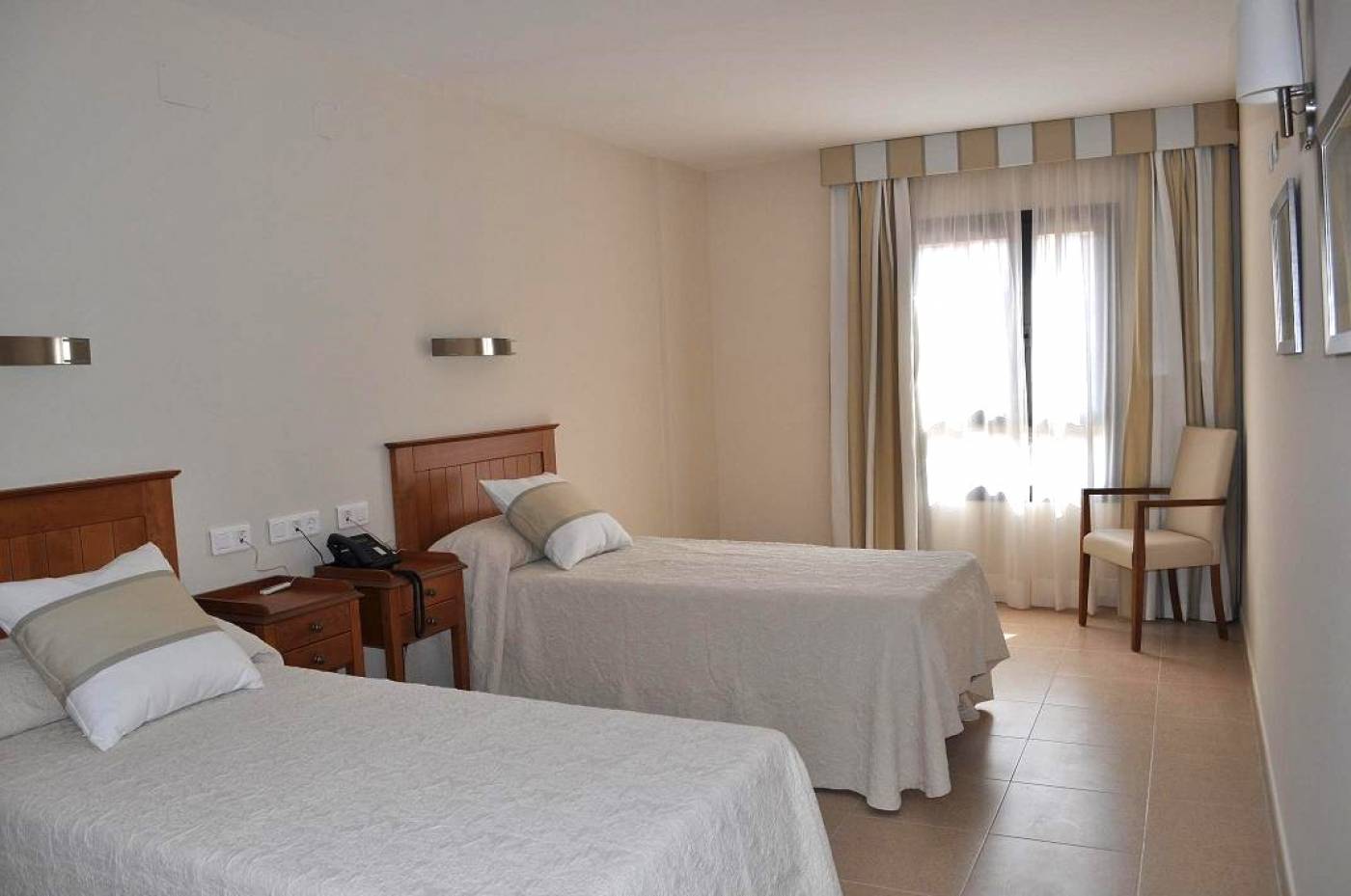
The International Unit offers day-care and residential care to foreign nationals and their families entirely in their own language.
Patients can be admitted either permanently or temporarily, and the unit provides post-hospital and neurological recovery services alongside rehabilitation support for those recovering from injury, much like the care that helped Barry get back on his feet.
The centre is also home to a dedicated Dementia Unit, a Neurorehabilitation department for those who've suffered brain damage and a Psychogeriatrics ward, among other specialist services. A wide range of therapies are available to support rehabilitation, whether for live-in residents or those attending for the day to give a family member or primary caregiver a break from home care duties. These include group physiotherapy, speech therapy, occupational therapy, psychological assistance and psychiatric support.
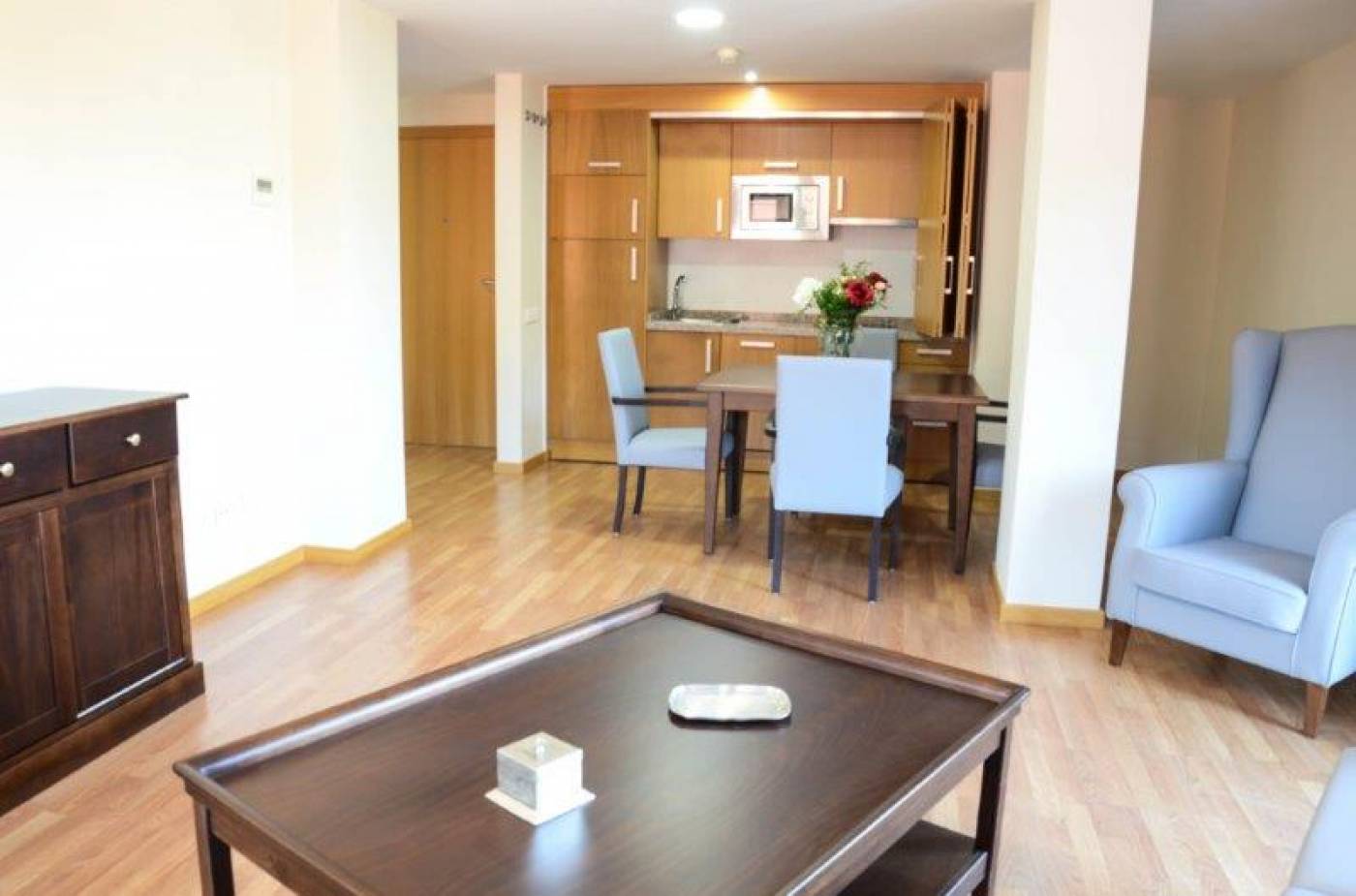
Beyond the clinical care, the International Unit has been designed with the everyday comforts of expat life in mind. Multilingual staff are on hand throughout, menus are adapted to residents' tastes and schedules are adjusted to suit the eating and resting patterns many foreign nationals are used to. International TV and press are available, activities are run in English, and staff can help residents apply for the dependency allowance in multiple languages.
For many foreign nationals living in the Region of Murcia, the International Unit has become the first place they turn to when specialist care is needed, and Barry's recovery is a clear example of the difference that kind of dedicated, familiar support can make.
article_detail

|


















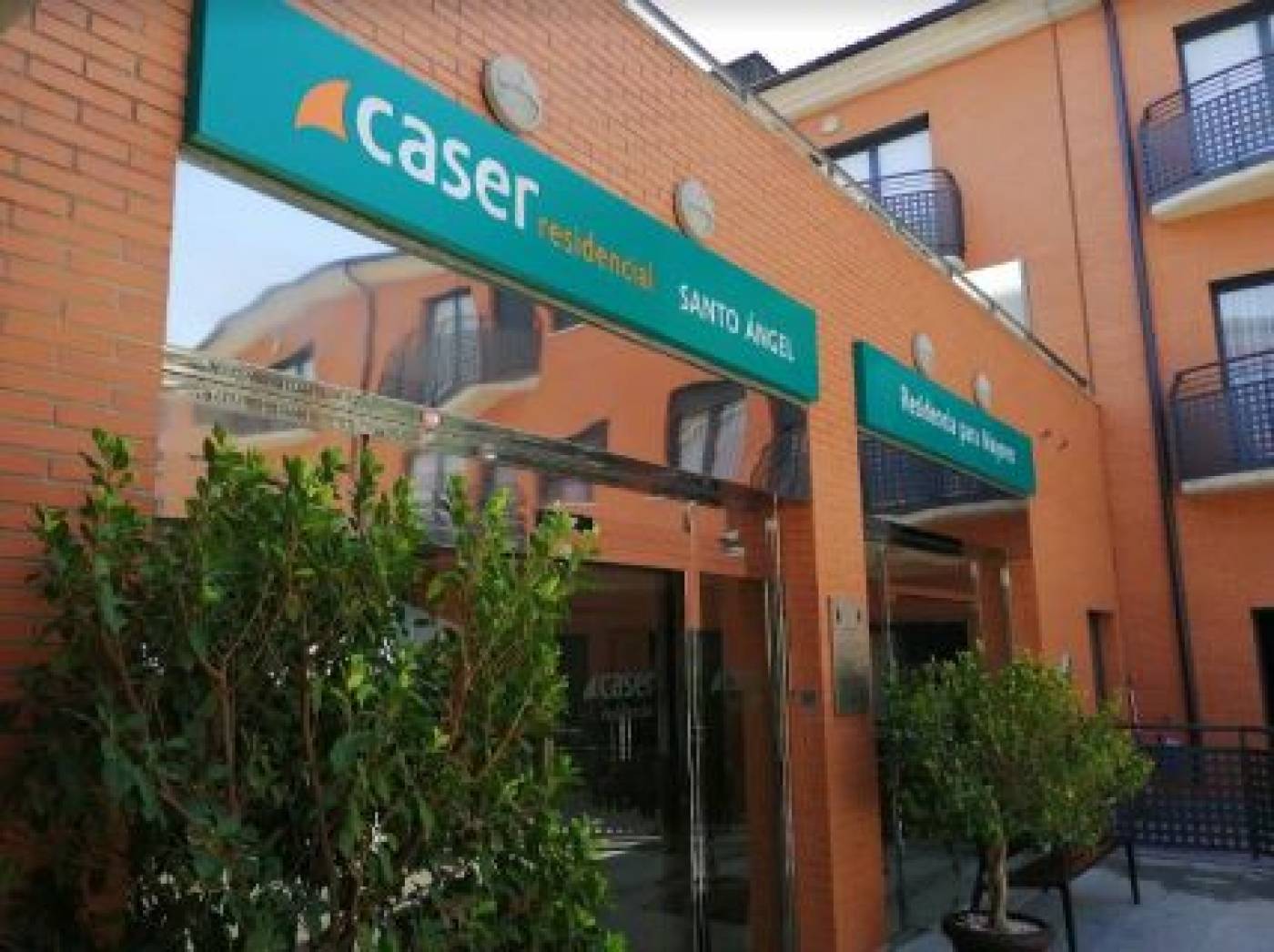 Santo Ángel residential care home provides assisted living, nursing and rehabilitative therapy for the elderly in Murcia in a comfortable and homely setting, so you and your loved ones can get the level of care you need and deserve.