










PROPERTY SEARCH

Southern Spain is becoming a desert. One company is using innovative organic farming techniques to turn that around (and make delicious almonds at the same time!)
Almendrehesa has been committed for over a decade to regenerating the subsoil of southeast Spain’s countryside to combat desertification
Everyone knows and loves the southeastern corner of Spain for its great weather, relaxed pace of life and amazing cultural treasures. Some people who live or work here might even know a bit more – how the region’s other economic powerhouse (apart from tourism) is growing fresh fruit and vegetable produce for export to other parts of Spain and Europe.
But the part of the story many people miss is how years of intensive farming practices have actually eroded the natural subsoil of the fertile ground here and are slowly – but at an ever increasing rate – turning this area into a desert.
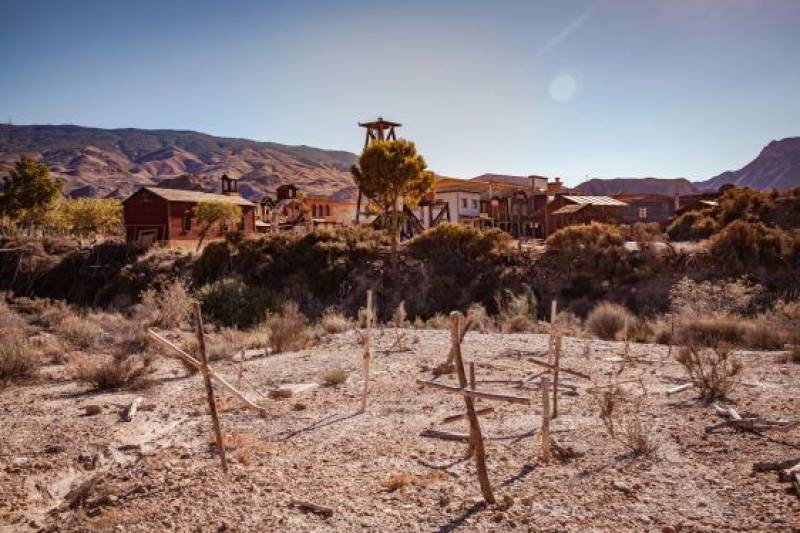
Now, to be fair, there’s already a desert here. Almería’s Desierto de Tabernas was famously used to film all those Clint Eastwood/Sergio Leone spaghetti westerns back in the day. But what the large-scale farming industry that has sprung up since then is doing is creating is something quite different.
Desertification is a major problem for Spain
 This is the process of desertification, and it happens when the ground is mistreated for several successive seasons, creating poor soil conditions. Those in the agricultural sector are under pressure to produce more goods, always at a lower cost, to be able to compete with cheaper produce imported from overseas. The solution for farmers is to continue to push the land to its limit, never giving it a chance to rest and replenish the natural minerals it needs.
Instead, the ground is layered over with artificially enriched soil and compressed using tractors and other machinery. The long-term effect of all this intensive farming, as we are beginning to see now, is that the soil loses its innate ability to absorb and retain water properly, leading to a reduced capacity to sustain plant life and a greater chance of flooding when the torrential rains come.
Examples of this can be seen in the farms of the Campo de Cartagena flatlands, where runoff of irrigation water laden with pesticides has been partly to blame for the poor state of the nearby Mar Menor lagoon, and also in the mountainous landscape of inland Almería.
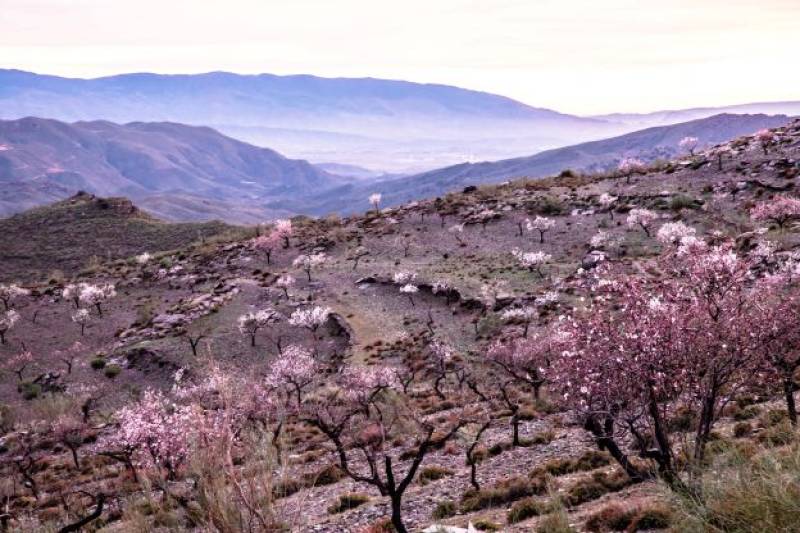
Here, the seemingly endless groves of olive trees, almond trees, vineyards and other crops have gradually been eroding the natural properties of these highlands. This kind of vegetation is native to these lands, and thrives under the usually dry, extreme conditions of this rocky terrain. But human intervention – which for millennia worked with the environment and was able to coexist with the plants’ needs – is now starting to have a seriously detrimental effect on the land.
Using ancient wisdom to solve 21st-century problems
The issue hasn't gone unnoticed. As early as 2016, local farmers were sounding the alarm bell about the potentially catastrophic consequences if this environmental mistreatment continued. With the help of the Commonland collective, they formed an alliance called the AlVelAl foundation and vowed to use only traditional, sustainable farming methods to grow and harvest their crops.
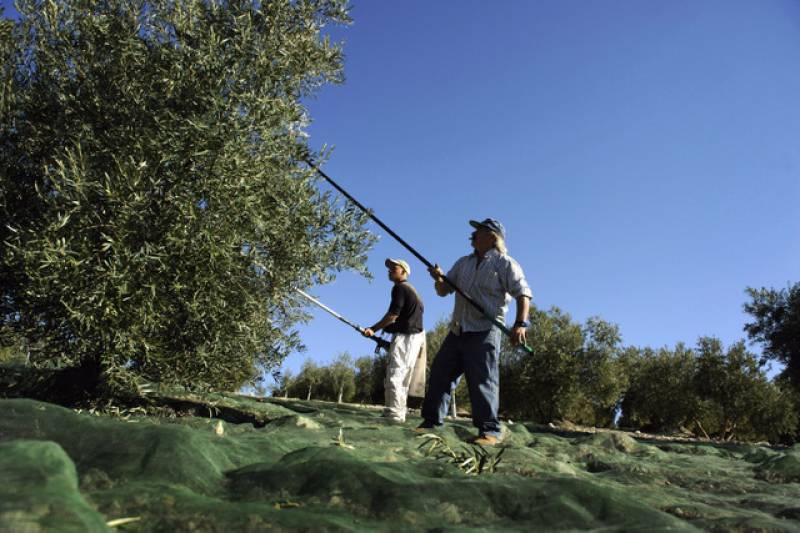
This means going back to using techniques and tools their parents and grandparents would recognise from when they were cultivating this same land a century ago. Natural fungicide solutions, manually shaking the trees with long staffs to get the fruit to fall at harvest time, and – crucially – it also means allowing the trees and the plants the time they need to grow and bear fruit instead of forcing Mother Nature’s hand.
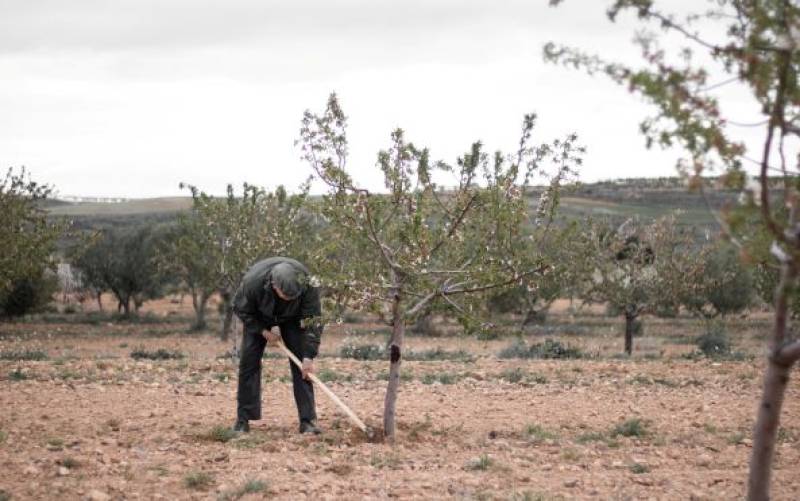
Their theory was simple, but one which modern farming practices seemed unable to countenance: that people’s impact on the land and the environments they farmed in might actually be able to have a net positive effect rather than being harmful. This is called ‘regenerative agriculture’ and it is a movement that is fast gaining traction among industry experts around the world.
The results in Almería have been astounding already. Over the last 10 years, the farmers have been able to see how the soil is more resistant, their flood defences are stronger and the quality of the almonds and other crops they are growing has improved exponentially. That’s because, given the time and the conditions they need, the trees are able to squeeze more flavour and nutrients into the fruit they grow before it is ready to harvest. But that’s not all, because as part of their alliance the farmers have even managed to increase profits at the same time.
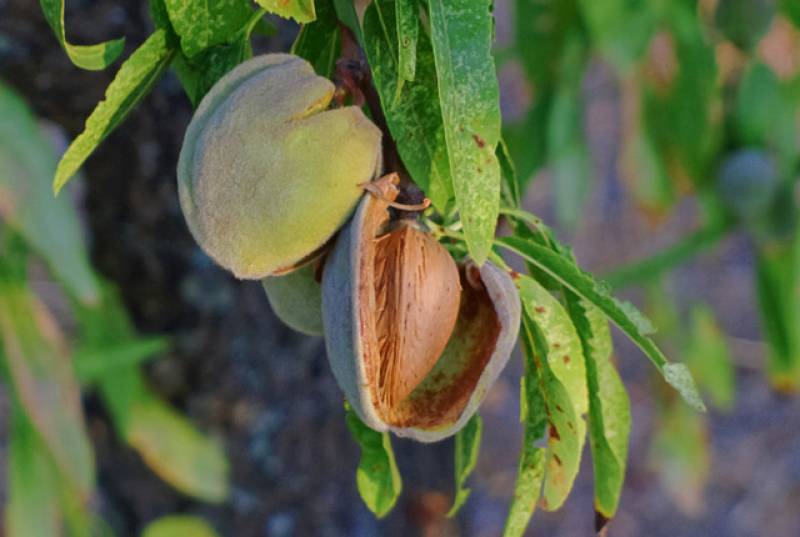 Thanks to a mission-driven local company, Almendrehesa, the fruit of these farmers’ labour is now being bought by consumers and wholesalers at a fair price, well above market value. By choosing to grow high-quality, genuinely organic produce, the farmers have been able to break out of the cycle of always trying to undercut competitors and are instead making money on their own terms – marketing healthy, sustainable and socially conscious almonds, olives, wine, chocolate and more to discerning customers who are forming part of a growing, alternative economy.
Little by little, these companies and organisations, and the determined people behind them, are managing to turn the tide against the prevailing consumerist mode of production and prove that an alternative, environmentally beneficial model can not only work, but even outperform the naysayers.
One group of farmers in a sleepy corner of southern Spain will not change the world or reverse the country’s desertification problem on their own. But what they have done is prove that, by organising together and backing a cause they believe in, anyone with the right support and attitude can make a real difference in their own backyard. And, if enough people take the plunge and commit to doing something small, then collectively we can make a big difference.
If you’re interested in finding out more, or in buying delicious, organic almonds and other natural produce, you can visit www.almendrehesa.com or call them on +34 958 700 786.


See more environmental news about Spain:
OR
Sign up for the Spanish News Today Editors Roundup Weekly Bulletin to get a comprehensive email with all the week’s news for Spain, Murcia, Alicante and Andalucía.
Get a sneak peek – here are a few of our recent Subscription Bulletins:
Discount Special Offer subscription:
36.95€ for 48 Editor’s Weekly News Roundup bulletins!
Please CLICK THE BUTTON to subscribe.